
Floor Scrubber Disc Brush vs Roller Brush: Complete Performance Comparison
Disc brush or roller brush for your floor scrubber? Compare cleaning performance, floor type compatibility, maintenance cost, and best applications with detailed comparison table.
In This Guide
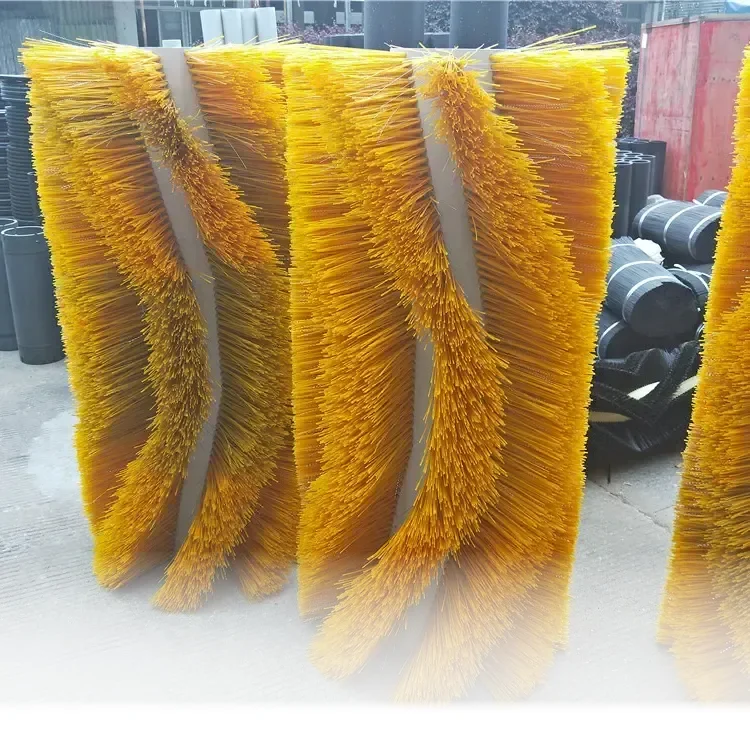
Two Different Cleaning Mechanisms
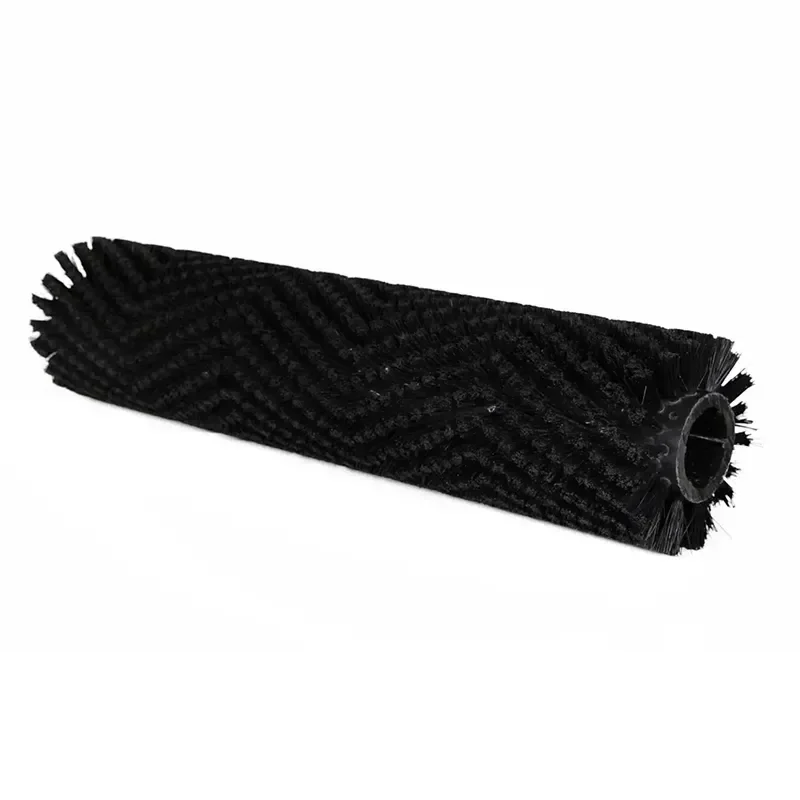
Disc brush scrubbers use flat round brushes or pads that rotate horizontally against the floor. Roller brush (also called cylindrical brush) scrubbers use one or two horizontal rollers that spin vertically, picking up debris and scrubbing simultaneously. Each design has distinct advantages depending on your floor type and cleaning needs.
Disc Brush — Best for Smooth, Even Floors
Disc brushes excel on smooth surfaces like sealed concrete, polished tile, epoxy, and vinyl. The flat rotating motion provides even pressure distribution for consistent scrubbing. Disc brushes are also easier to change and offer more material options (nylon, PPL, steel-wire mix), making them versatile for different soil types. However, they struggle on uneven surfaces because contact is limited to the flat plane of the brush.
- Best for: supermarkets, hospitals, schools, offices, retail
- Advantages: even pressure, easy pad changes, many material options
- Limitations: struggles on grouted tile and uneven floors
Roller Brush — Best for Textured or Uneven Floors
Roller brushes can reach into grout lines, textured surfaces, and slight floor unevenness because the roller's bristles penetrate into surface irregularities. The rotating action also helps pick up small debris while scrubbing, reducing the need for pre-sweeping. Roller scrubbers are the preferred choice for ceramic tile with grout, safety flooring with texture, and older concrete with surface variations.
- Best for: factories, warehouses, kitchens, loading docks, outdoor areas
- Advantages: cleans grout lines, picks up debris, handles uneven surfaces
- Limitations: higher brush cost, more complex brush changes
Maintenance Cost Comparison
Disc brushes and pads are generally cheaper to replace than roller brushes — typically $30-80 per disc brush versus $150-400 per roller brush. However, roller brushes often last longer on rough floors because the wear is distributed across a larger surface. For most smooth-floor facilities, disc brushes offer the lowest ongoing consumable cost. For textured floors where disc brushes wear quickly, roller brushes are more economical in the long run.
Ready to Get Factory-Direct Pricing?
Get a quote within 24 hours. No middlemen — buy direct from the manufacturer and save 30-50%.
About the Author
Mark Xu is Sales Director at Aikerui with 15+ years of experience in industrial floor cleaning equipment. He has helped 2,000+ facilities across 50+ countries source factory-direct cleaning equipment.