
Hospital Floor Cleaning Equipment: Medical-Grade Scrubbers for Healthcare (2026)
Healthcare floor cleaning equipment guide. Ultra-quiet scrubbers (<60dB) with HEPA filtration for hospitals, clinics, and care homes. Infection control compliant. Factory-direct pricing.
In This Guide
Why Hospital Floors Are the Highest-Stakes Cleaning Job
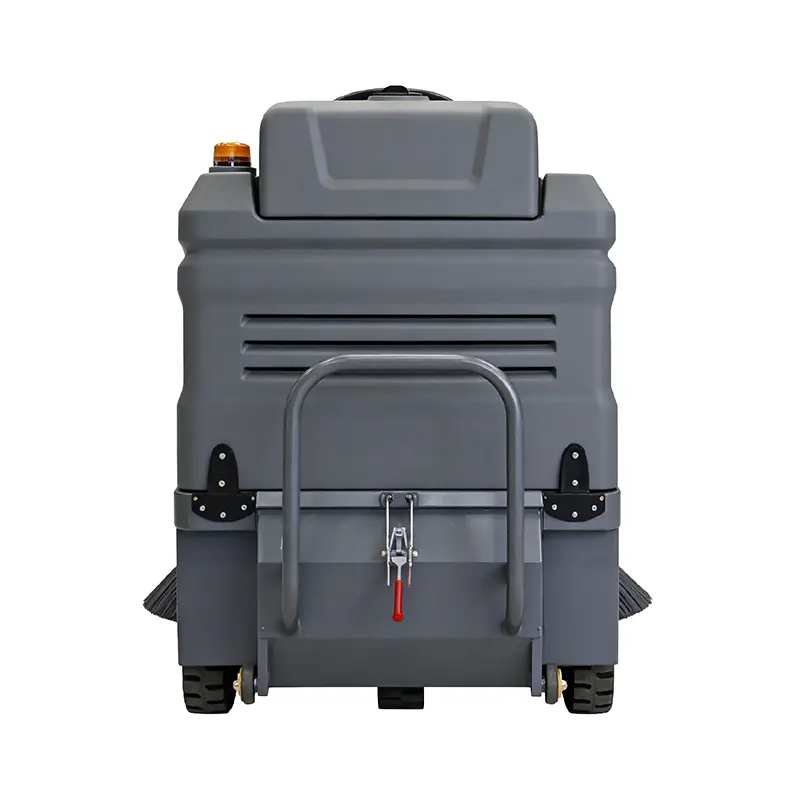
Hospital floors aren't just about appearance — they're an infection control surface. Pathogens settle on floors and are redistributed by foot traffic and equipment wheels throughout the facility. A proper healthcare-grade scrubber must clean effectively while being quiet enough for patient areas, filtered to prevent aerosol contamination, and compatible with hospital-grade disinfectants.
5 Requirements for Healthcare-Grade Floor Scrubbers
These features separate medical-grade machines from standard commercial scrubbers:
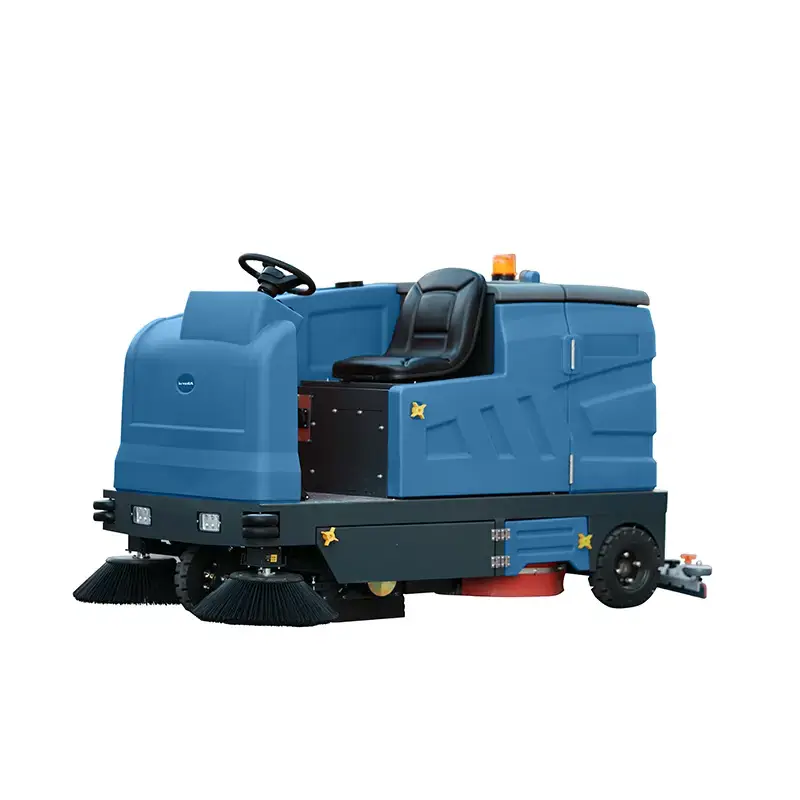
- Ultra-quiet operation: <60dB — quieter than a conversation. Must be usable in patient rooms, hallways, and ICUs without disturbing patients or staff.
- HEPA filtration: H13 or H14 HEPA filter on vacuum exhaust to capture 99.97% of particles ≥0.3μm. Prevents aerosolized pathogens from being spread by the vacuum system.
- Chemical compatibility: Must handle hydrogen peroxide, quaternary ammonium, bleach solutions, and other hospital disinfectants without component degradation.
- Cordless/battery operation: No tripping hazards from power cords in hallways and patient areas. Lithium battery for opportunity charging during shift changes.
- Smooth, sealed surfaces: All external surfaces cleanable with disinfectant wipes. No crevices where contaminants can accumulate.
Zone-Specific Cleaning Requirements
Different hospital zones have vastly different cleaning protocols:
- Operating Rooms & ICUs: Highest standard. Daily cleaning minimum, between-case disinfection. Small scrubber with HEPA + disinfectant injection system.
- Patient Rooms: Daily cleaning. Ultra-quiet essential. Quick-drying to minimize slip risk for patients. Compact enough to navigate around beds and equipment.
- Corridors & Waiting Areas: High-traffic, continuous cleaning. Wider scrubber (20-28 inch) acceptable. Noise less critical than in patient areas.
- Cafeteria & Kitchen: Food-safe cleaning standards. Stainless steel components. Frequent cleaning cycles between meal services.
- Loading Dock & Basement: Industrial-grade cleaning. Higher brush pressure for tire marks and tracked-in soil. Standard scrubber acceptable.
Infection Control: How Your Scrubber Can Help or Hurt
A poorly maintained scrubber can actually spread infection. Dirty recovery tanks breed bacteria that are aerosolized by the vacuum exhaust. Worn squeegee blades leave contaminated water on floors. Key infection control practices:
- Empty and rinse recovery tank after every use — never leave standing water overnight
- Disinfect the machine daily: wipe all surfaces, spray squeegee assembly with disinfectant
- Change HEPA filter every 3-6 months — more frequently in high-risk areas
- Use dedicated machines for isolation areas — never cross-contaminate between isolation and general wards
- Color-code brushes: red for high-risk areas, blue for general, green for food service
Noise Levels Matter: A Practical Guide
Hospital noise directly impacts patient recovery. The WHO recommends hospital noise below 35dB in patient rooms at night. A standard commercial scrubber operates at 70-75dB — equivalent to a vacuum cleaner. Healthcare-grade scrubbers with sound-dampening operate at 58-62dB — quieter than normal conversation. This allows daytime cleaning in occupied patient areas without complaints.
Get Your Healthcare Facility Scrubber Quote
Tell us your facility type, floor area, and cleaning zones. We'll recommend the right medical-grade machine. Factory-direct pricing saves your facility 30-40% vs. medical equipment suppliers.
Ready to Get Factory-Direct Pricing?
Get a quote within 24 hours. No middlemen — buy direct from the manufacturer and save 30-50%.
About the Author
Mark Xu is Sales Director at Aikerui with 15+ years of experience in industrial floor cleaning equipment. He has helped 2,000+ facilities across 50+ countries source factory-direct cleaning equipment.