
Floor Scrubber Battery Maintenance Guide
Extend the life of your floor scrubber battery with proper maintenance. Step-by-step guide for lead-acid and lithium batteries, including charging, storage, and troubleshooting tips.
In This Guide
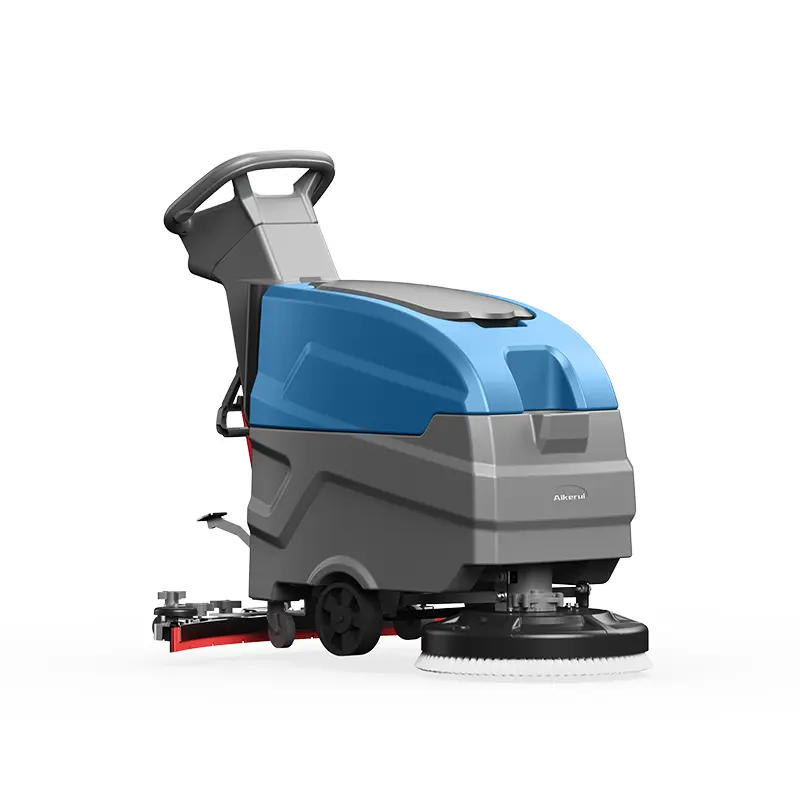
Lead-Acid Battery Maintenance
Lead-acid batteries are the most common type in floor scrubbers. Proper maintenance can extend their life from 1 year to 2+ years. The key is regular watering, proper charging, and keeping terminals clean. Check water levels weekly and refill with distilled water only — never add acid. Charge after each use, and never leave the battery discharged for extended periods as sulfation will permanently reduce capacity.
- Check water levels every 5–10 charging cycles
- Use ONLY distilled water, fill to 1/4 below fill well
- Charge after each use — never leave discharged
- Keep terminals clean and coated with anti-corrosion gel
- Equalize charge every 10–20 cycles for deep-cycle batteries
Lithium Battery Maintenance
Lithium batteries require significantly less maintenance than lead-acid. They do not need watering, have no memory effect, and can be opportunity charged. However, they are more sensitive to extreme temperatures and require compatible chargers. Store lithium batteries at 50% charge if not used for extended periods, and avoid complete discharge.
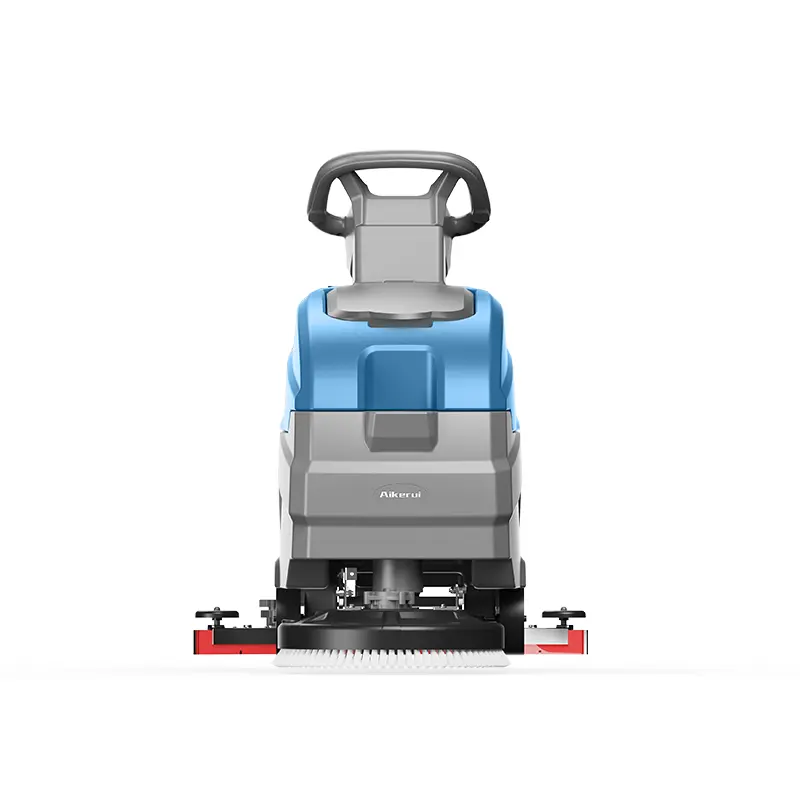
- No watering required — zero maintenance
- Use only the charger provided with the battery
- Avoid extreme temperatures: do not charge below 0°C / 32°F
- Opportunity charging is acceptable — no memory effect
- Store at 50% charge if not using for 30+ days
Charging Best Practices
Proper charging habits significantly impact battery lifespan. For lead-acid batteries, always charge in a well-ventilated area as charging produces hydrogen gas. Never interrupt a charging cycle. For lithium batteries, the built-in battery management system (BMS) handles most safety functions, but using the wrong charger can permanently damage the battery.
- Charge in a well-ventilated area (lead-acid produces hydrogen gas)
- Allow batteries to cool before charging if hot from use
- Replace charger if damaged — never use a modified charger
- For lead-acid: never interrupt a charge cycle
- For lithium: use only manufacturer-approved charger
Troubleshooting Common Battery Issues
If your scrubber runs for less time than usual, check the battery voltage, water levels (lead-acid), and charging cycle. For lead-acid, sulfation from undercharging is the most common failure. For lithium, cell imbalance or BMS failure are more common but rare. A multimeter reading of less than 20V for a 24V system (below 10V per battery) indicates failed cells that need replacement.
Ready to Get Factory-Direct Pricing?
Get a quote within 24 hours. No middlemen — buy direct from the manufacturer and save 30-50%.
About the Author
Mark Xu is Sales Director at Aikerui with 15+ years of experience in industrial floor cleaning equipment. He has helped 2,000+ facilities across 50+ countries source factory-direct cleaning equipment.